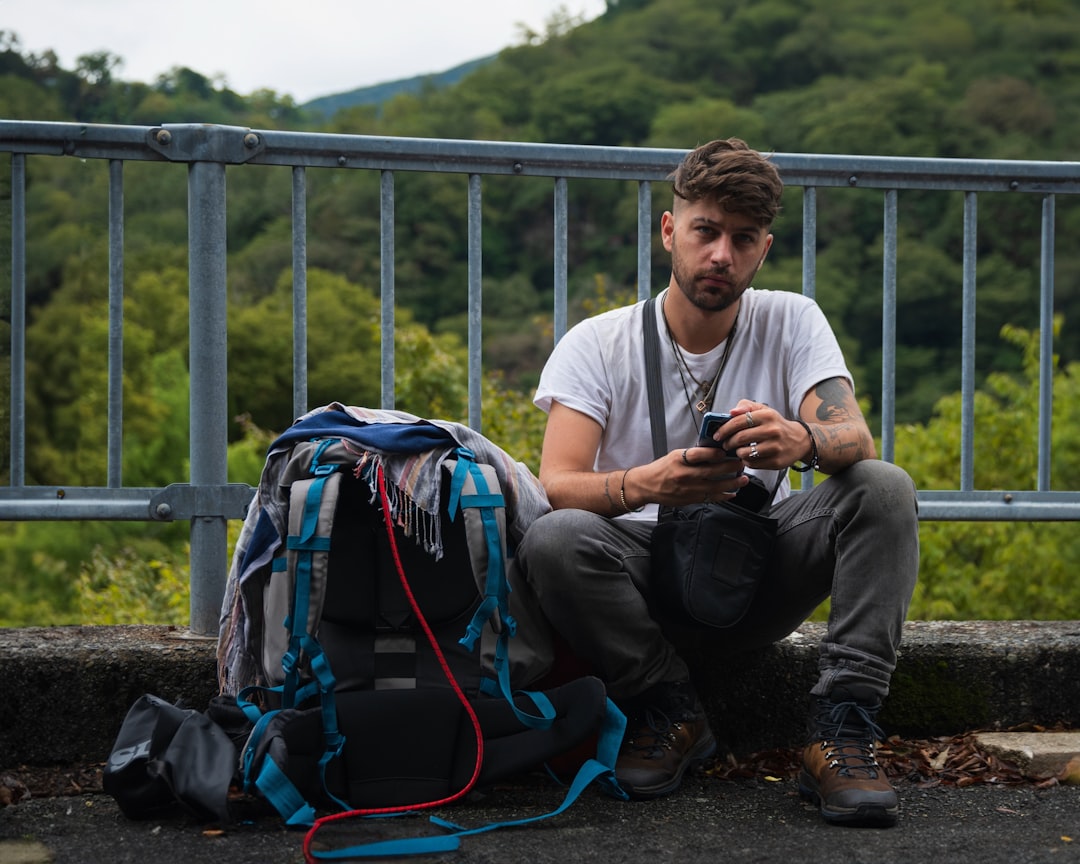
Choosing the right backpack for your travels can be a daunting task, especially with the myriad of options available today. I remember when my friend Sarah decided to embark on her first solo trip to Southeast Asia. She was excited but overwhelmed by the thought of finding the perfect backpack that would meet all her needs. After some research and a few missteps, she discovered a few key factors that made all the difference in her travel experience.
Understanding Your Travel Style
Before diving into the specifics of backpack features, it’s essential to understand your travel style. Are you a minimalist who prefers to travel light, or do you like to carry everything but the kitchen sink? Sarah initially thought she needed a large backpack to accommodate all her gear, but she soon realized that a smaller, more organized pack would serve her better. By assessing her travel habits, she was able to narrow down her options significantly.
For instance, if you plan on hiking or engaging in outdoor activities, a backpack with a hydration reservoir and external gear loops might be ideal. On the other hand, if your travels involve city exploration and public transport, a sleek, urban-style backpack with padded compartments for electronics could be more suitable. Understanding your travel style is the first step in choosing the right backpack.
Size Matters: Finding the Right Capacity
Backpacks come in various sizes, typically measured in liters. Sarah learned that a 40-50 liter backpack is often sufficient for a week-long trip, while a 60-70 liter pack is better for longer adventures. She initially purchased a massive 70-liter backpack, thinking it would give her more space, but quickly found it cumbersome and heavy. After some trial and error, she opted for a 50-liter pack that was both spacious and manageable.
When selecting the size, consider the duration of your trip and the type of items you plan to carry. A smaller backpack encourages you to pack efficiently, which can lead to a more enjoyable travel experience. Additionally, many airlines have strict carry-on size regulations, so choosing a backpack that fits within those limits can save you from unexpected fees and hassles at the airport.
Comfort is Key: Testing the Fit
One of the most crucial aspects of choosing a backpack is ensuring it fits comfortably. Sarah made the mistake of buying her first backpack online without trying it on. When it arrived, she realized it didn’t fit her torso length properly, causing discomfort during her travels. To avoid this pitfall, she visited a local outdoor store to try on different models and get a feel for what worked best for her body type.
When testing a backpack, pay attention to the padding on the shoulder straps and hip belt, as well as the overall weight distribution. A well-fitted backpack should feel balanced and not strain your back or shoulders. Additionally, look for adjustable straps that allow you to customize the fit. Comfort is paramount, especially if you plan on carrying your backpack for extended periods.
Features to Consider: Pockets and Organization
As Sarah explored various backpacks, she quickly realized that organization features could make or break her travel experience. She found that having multiple compartments for different items helped her stay organized and made it easier to access her essentials. For example, a dedicated laptop sleeve kept her electronics safe, while side pockets were perfect for water bottles and snacks.
Consider what items you’ll need to access frequently and look for backpacks that offer convenient storage solutions. Some backpacks even come with detachable daypacks, which can be handy for day trips. The right organizational features can enhance your travel efficiency and reduce the stress of rummaging through your bag every time you need something.
Lesson Learned: Invest in Quality
After her initial struggles, Sarah learned that investing in a high-quality backpack was worth every penny. She initially opted for a cheaper option, thinking it would suffice, but it didn’t hold up against the rigors of travel. After a few trips, she decided to invest in a reputable brand known for durability and comfort. This decision transformed her travel experience, allowing her to focus on exploring rather than worrying about her gear.
In conclusion, choosing the best backpack for traveling involves understanding your travel style, selecting the right size, ensuring comfort, and considering organizational features. By learning from her experiences, Sarah not only found the perfect backpack but also gained confidence in her travel choices. Remember, the right backpack can enhance your adventures and make your journeys more enjoyable.